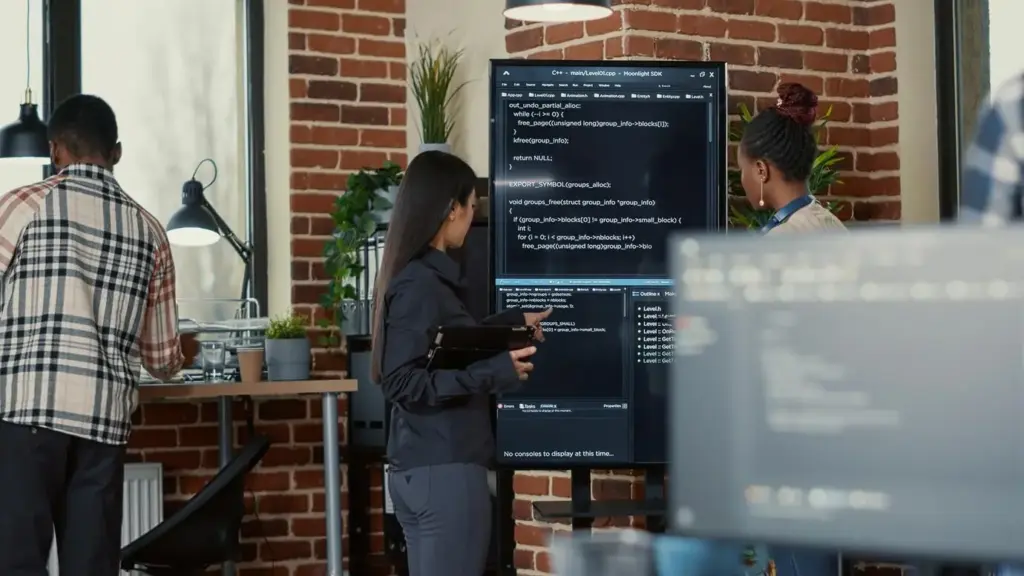
Build Safer Software, One Line at a Time

Today we’re focusing on Secure Coding Workshops and Application Security Assessments—practical sessions and rigorous reviews that transform everyday code into resilient systems. Expect actionable techniques, real incidents, and tools you can apply immediately, plus invitations to practice, ask questions, and collaborate with peers across languages, frameworks, and deployment environments.

Habits That Keep Vulnerabilities Out

Security becomes natural when protective practices are woven into daily routines. We explore disciplined code reviews, defensive defaults, minimal permissions, and testable boundaries, illustrated with stories where small habits prevented costly incidents. Bring your toughest edge cases, and we will turn them into patterns your entire team can repeat confidently.

Threat Modeling That Developers Actually Enjoy

From User Story to Abuse Case

We start with a familiar feature story and ask how an impatient attacker would misuse it. That simple perspective reveals missing checks, unsafe defaults, and confusing flows. You will learn a repeatable five-question exercise that fits sprint planning and converts concerns into acceptance criteria your team can actually implement.

STRIDE in Fifteen Focused Minutes

With timeboxed collaboration, STRIDE becomes a sharp lens rather than a lecture. Each participant claims one category, scans the diagram for candidates, and proposes defenses. The result is a prioritized shortlist, not a spreadsheet graveyard, with clear owners and tests. Try it live and keep the template for standups.


Turning Diagrams into Defenses

A picture matters only if it changes code. We demonstrate moving from arrows and boxes to actionable safeguards, such as adding request signing, rate limits, and idempotency keys where boundaries shift. You will practice annotating diagrams with mitigations, then opening pull requests that encode those decisions directly into frameworks.

Tooling That Finds Issues Early

{{SECTION_SUBTITLE}}

SAST Without the Noise

Static analysis shines when rules reflect your stack and coding style. We create narrow policies, tag hot paths, and suppress responsibly with accountability. A real example shows cutting false positives by half through taint models and framework-aware sinks, freeing time for deeper reviews and teaching moments in code comments.

Dynamic Tests That Mirror Reality

Black-box testing becomes powerful when environments resemble production. We script realistic traffic, seed meaningful data, and add authentication flows so coverage matches user journeys. You will see how a subtle caching misconfiguration surfaced only under concurrent tests, and how a simple header and cache key fix removed the risk.

Design Patterns for Trustworthy Features

Robust features grow from clear contracts. We explore authentication that respects users, secrets that never touch logs, and encryption that avoids dangerous defaults. Through code snippets and testable recipes, you will learn patterns that translate across frameworks and survive refactors, audits, and chaos drills without slowing delivery schedules.

Authentication That Balances Security and Usability

Great sign-in flows prevent takeover without punishing legitimate users. We compare passkeys, WebAuthn, and step-up prompts triggered by risk signals. Expect guidance on session lifetimes, token binding, and secure logout. We share a rescue story where thoughtful recovery flows stopped social engineering without overwhelming support or harming conversion metrics.

Secrets Management You Can Automate

Stop sprinkling tokens across config files. We demonstrate short-lived credentials, sealed storage, and identity-based access with rotation built into pipelines. Learn how workload identity beats shared keys, and how envelope encryption protects backups. A workshop lab shows instrumented alerts catching a misused secret within minutes, with clean remediation playbooks.

How a Professional Security Evaluation Unfolds

Understanding the rhythm of an expert review helps teams prepare and benefit. We walk through scoping, safe testing windows, hybrid techniques, reporting, and retesting. Along the way, a short narrative shows how respectful collaboration uncovered a critical issue and turned it into a teachable moment and durable architecture improvement.

Growing a Security Culture That Lasts

Long-term safety comes from people and practice. We build communities of curious developers, create lightweight rituals, and reward learning. Gamified exercises, office hours, and champion programs make improvements measurable and fun. Join our mailing list, share a code snippet for feedback, and help shape the next collaborative lab session.
Elizaorganics
Privacy Overview

This website uses cookies so that we can provide you with the best user experience possible. Cookie information is stored in your browser and performs functions such as recognising you when you return to our website and helping our team to understand which sections of the website you find most interesting and useful.